Disclaimer
The techniques and clinical opinions presented in this material reflect the personal experience and professional judgment of the healthcare professional and do not necessarily represent the views of Olympus. This material is intended for healthcare professionals only. Users should always refer to the applicable Instructions for Use (IFU) and use Olympus products in accordance with the approved indications and local regulatory requirements. The healthcare professional presenting this material has been engaged by Olympus and compensated at fair market value for their services.
Pancreatobiliary case 2

Asst. Prof. Dr. Tomislav Bokun
Head, Interventional Gastroenterology Unit
Department of Gastroenterology, Hepatology and Clinical Nutrition
University Hospital Dubrava,
Zagreb, Croatia
Scope: TJF-Q190V
Organ: Duodenum
Patient information: N/A
Medical history: Suspicion of adenoma growing from intraductally
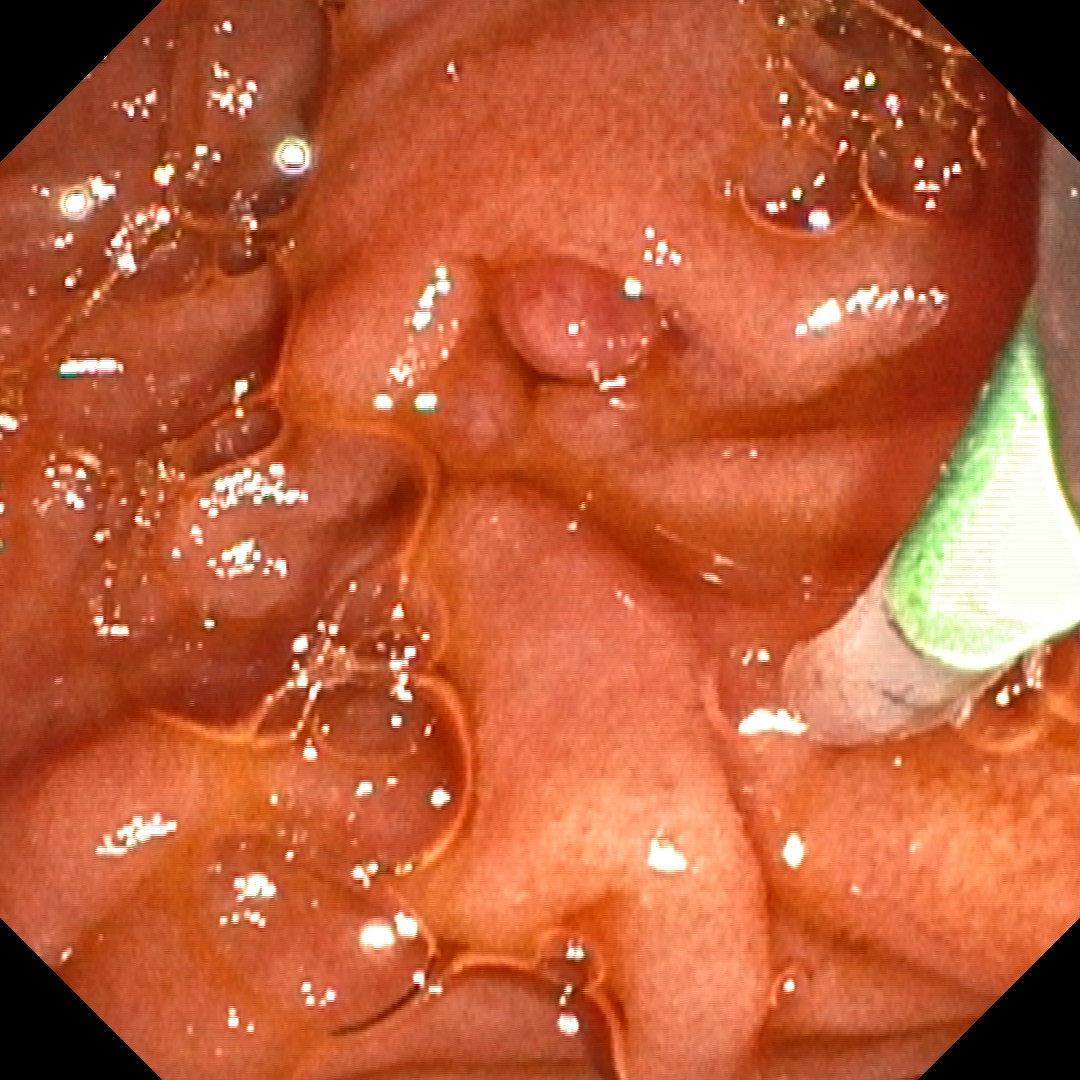
1. Bulging papilla - TXI2
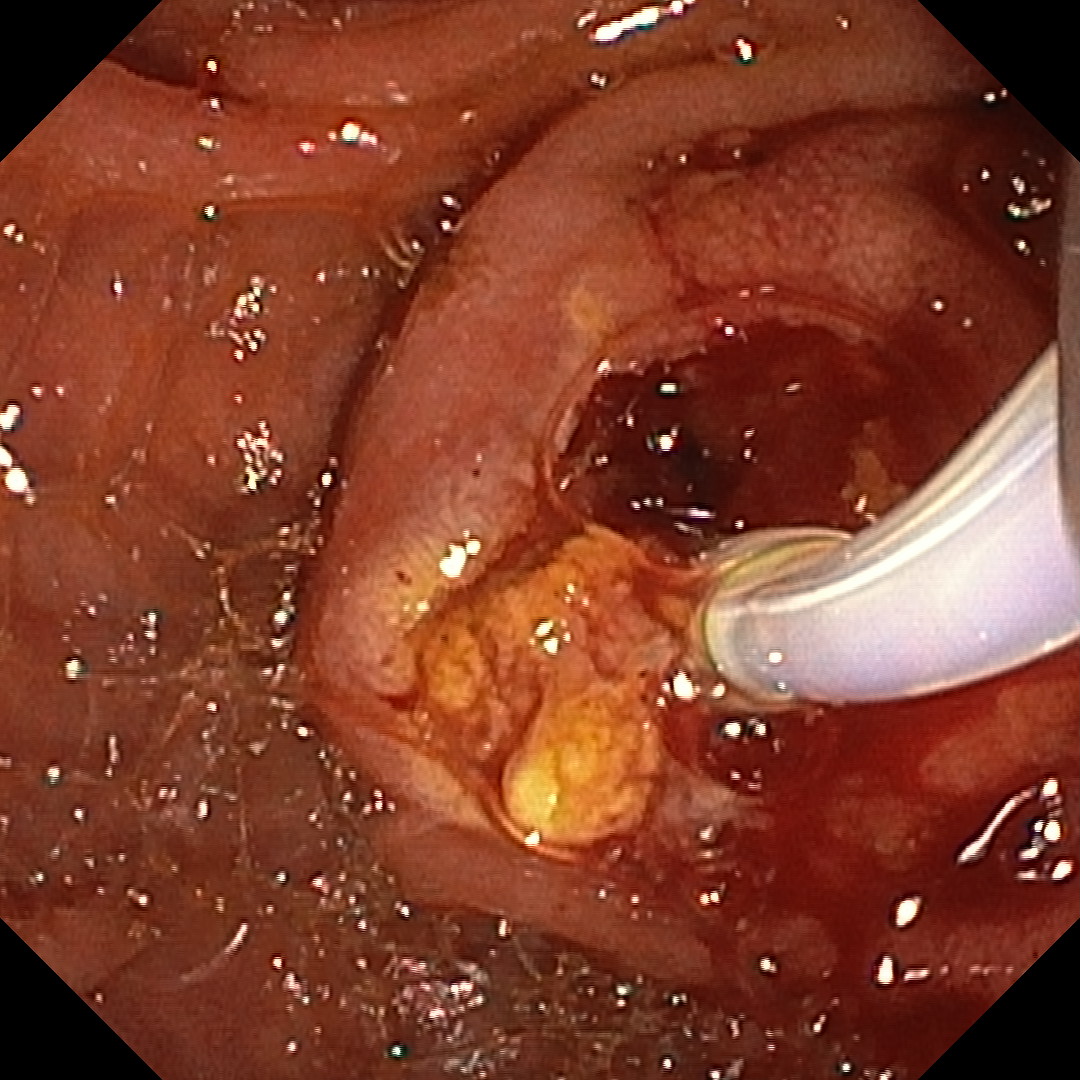
2. After sphincterotmy - WLI
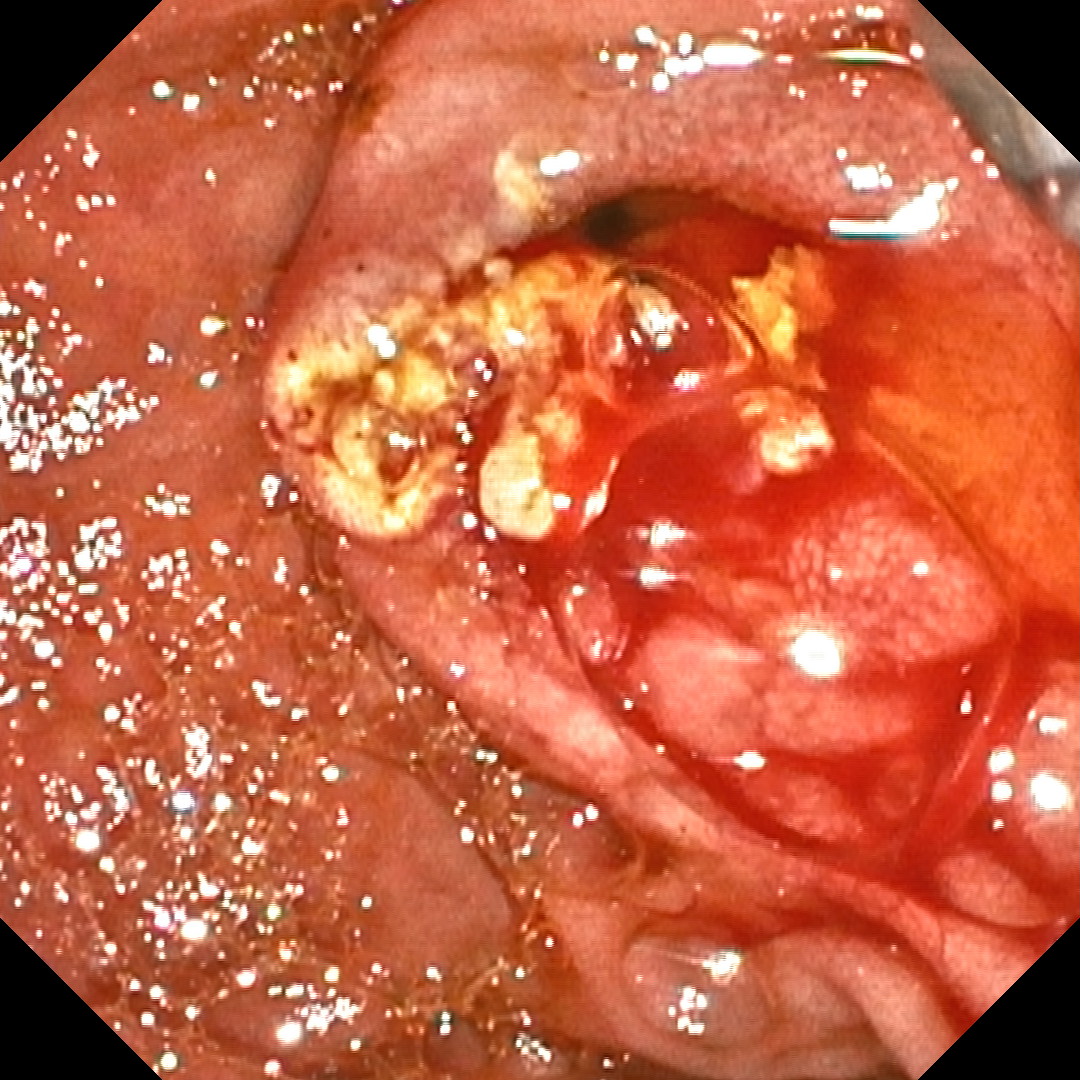
3. Suspicion of postsphincterotomy bleeding - TXI2
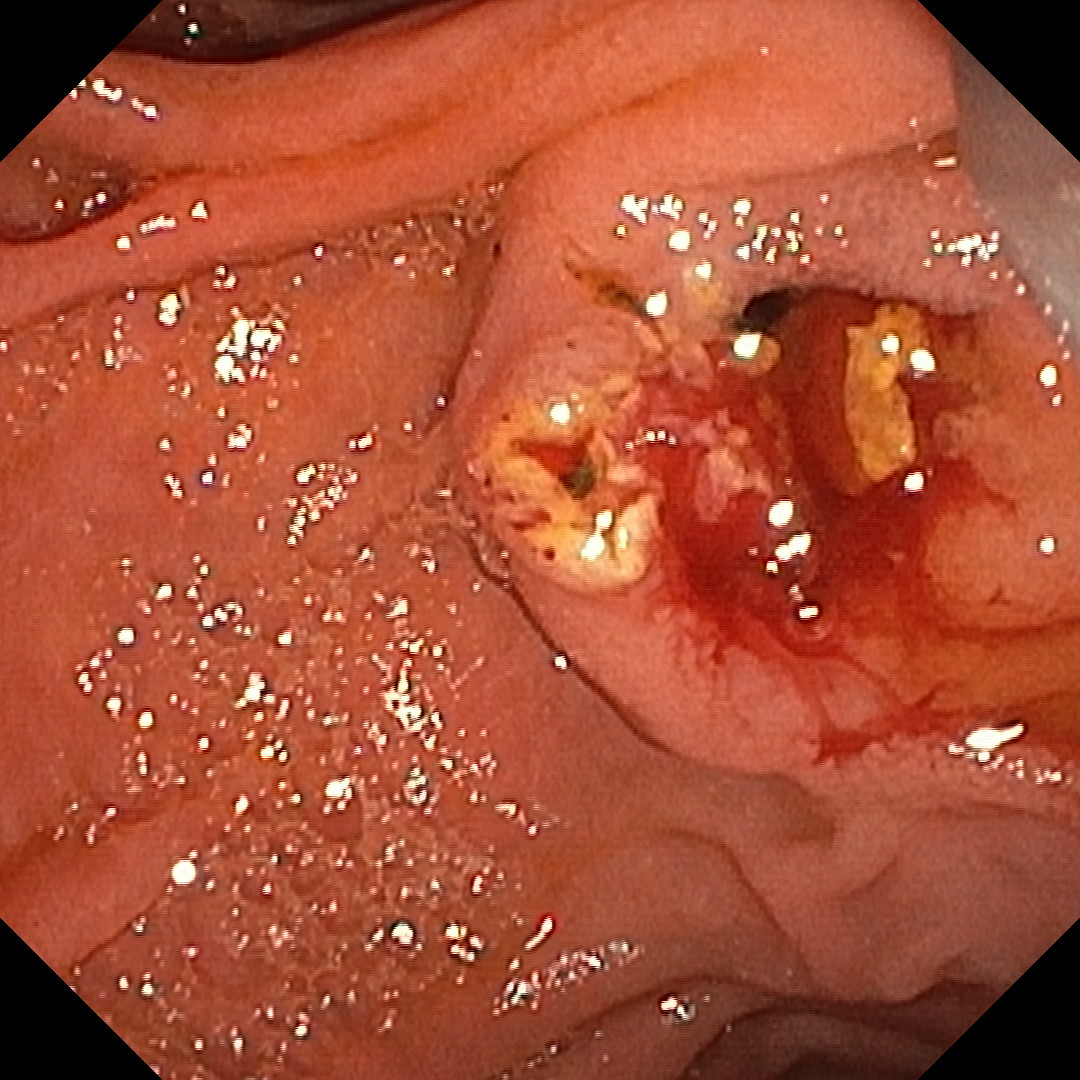
4. Suspicion post-sphincterotomy bleeding - WLI
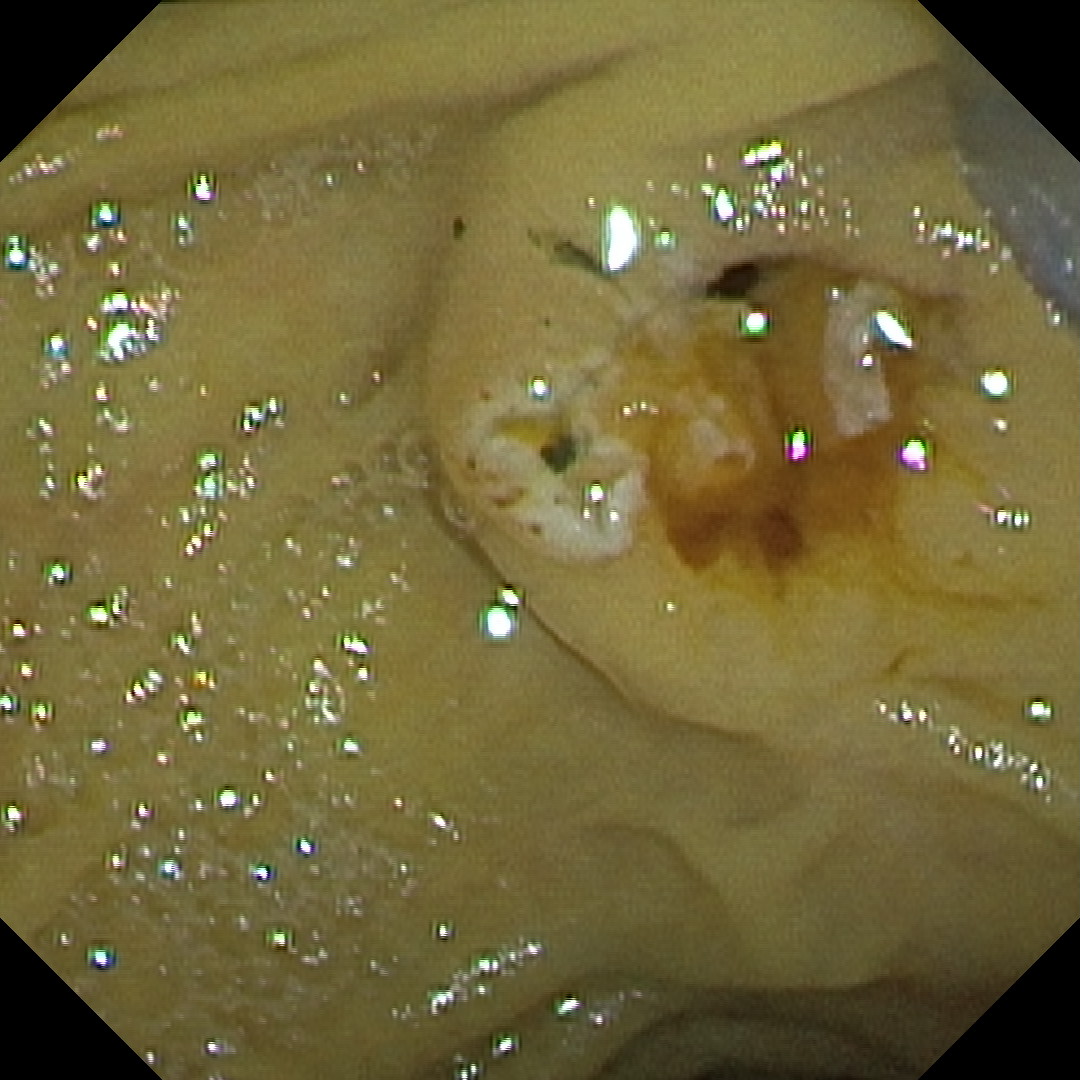
5. Post-sphincterotomy bleeding assessment - RDI
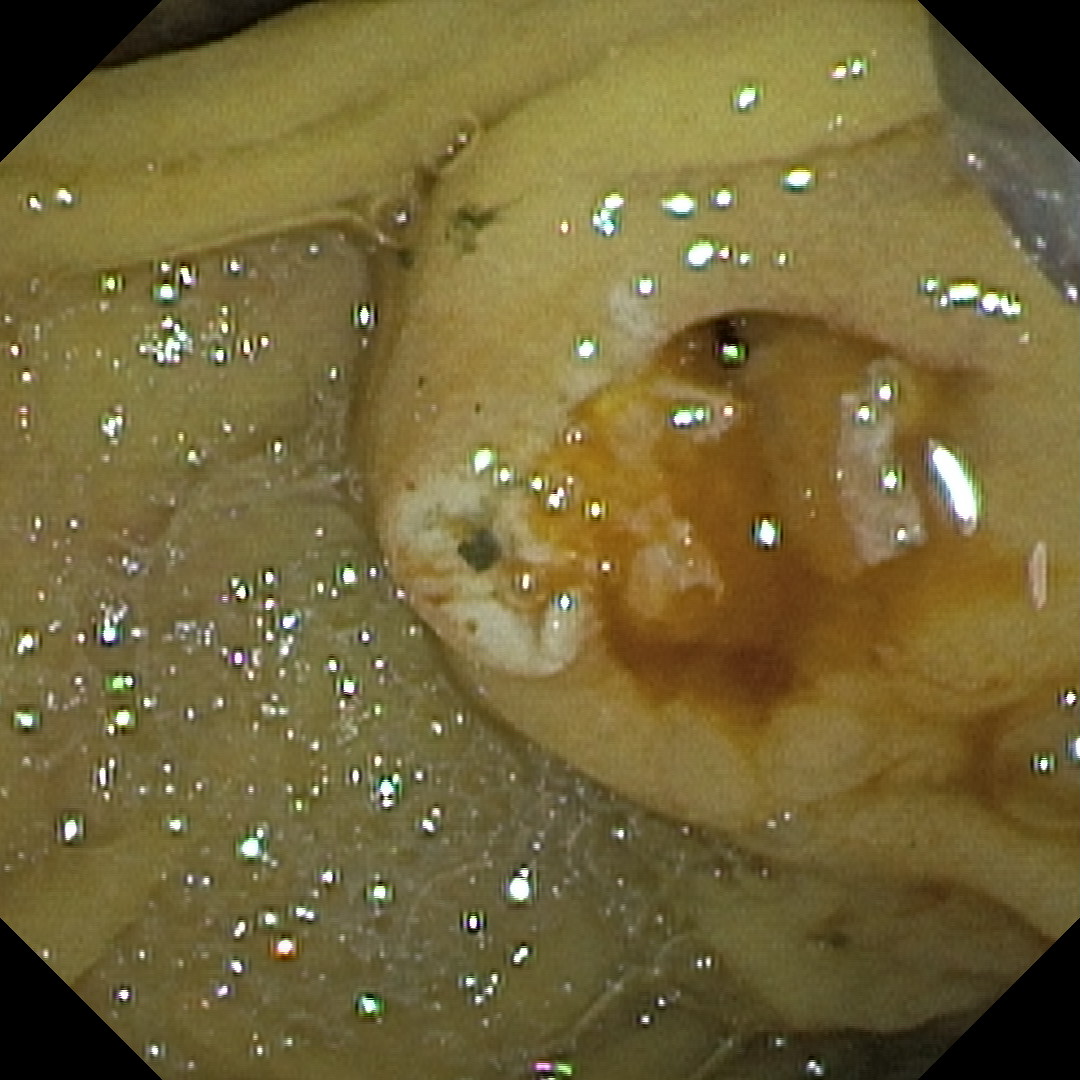
6. Post-sphincterotomy bleeding assessment - RDI
Case Video
Overall Comment
This was a useful case illustrating how NBI can aid clinical decision-making. The patient had choledocholithiasis confirmed by EUS; however, the endosonographer described a mildly enlarged papilla with an unclear appearance and raised mild suspicion of organic material in the distal 5 mm of the CBD, referring the patient for duodenoscopy and ERCP.
During the procedure I observed a bulging papilla with a small protruding nodule at the orifice, which raised concern for intraductal adenoma given the ambiguous EUS report. The papilla was examined with NBI; close inspection after manipulation with the sphincterotome showed no neoplastic surface pattern, and the mucosa around the orifice had the same appearance when probed. This reassured me that the findings were likely inflammatory and stone-related rather than an intraductal adenoma.
I proceeded with sphincterotomy. A tiny bleed was seen and was assessed on RDI. Biopsies were taken from tissue around the orifice, and aspiration with contrast and bile washing across the sphincterotomy line helped demonstrate absence of active bleeding on both WLI and RDI. Pathohistology later showed inflammation only, with no evidence of neoplasia.
* Specifications, design and accessories are subject to change without any notice or obligation on the part of the manufacturer